
Basic interior design rules for remodeling spaces
Throughout our lives it's very normal for us to change constantly; it's our nature, and over time we learn to evolve into better versions of ourselves, but what about our spaces?
The bedroom, study, living room, any place in our home changes with us, and often they're a clear reflection of our personality and how we're feeling.
That's why you'll occasionally feel the urge to refresh and remodel your spaces, change them completely and even play with their layout. So today we'll teach you how to redesign spaces, at least the basics, since our research shows there are countless techniques and theories on the subject, but here are the first steps.
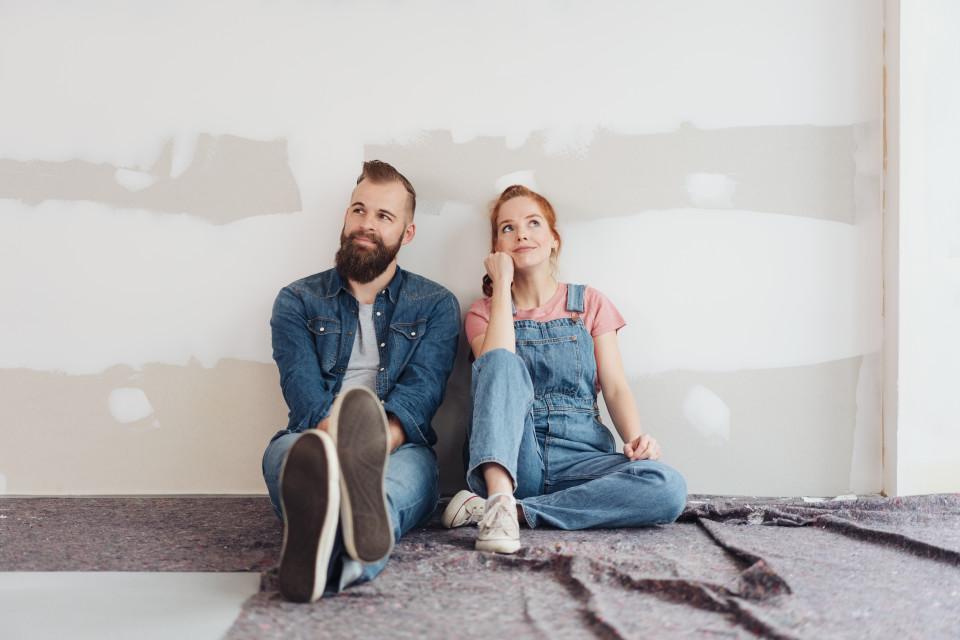
How to reconfigure the areas of your home
When we talk about reconfiguring spaces, we mean completely changing their use or the message and feelings they convey, for example, turning a bedroom into a private study, or transforming the overwhelming feeling your current living room gives you into a more harmonious, calm one.
To do this, the first step is to define your goal and then dive into applying all the decorating tips we'll give you below; this way you can create new areas, change their use and modify the feelings each space conveys when you walk in.
We'll surely bring you more articles on these reconfiguration techniques, but for now, let's start with the basics and welcome new energy.
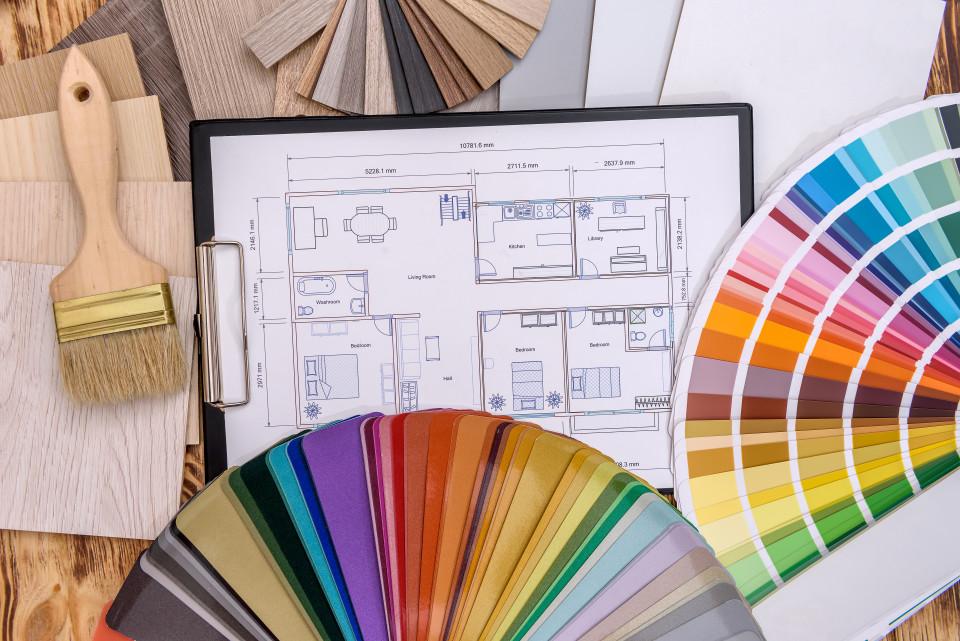
Make the most of every space
This usually stems from our desire to play with different objects to create different settings, comfortable places that leave us satisfied with what we want to convey and feel.
However, what happens when the space already has its structures defined and we want to change dimensions that limit or expand visibility, making our area feel uncomfortable or monotonous?
Having a layout that gives us a sense of spaciousness or lifts our mood is key to meeting all our standards for our surroundings and giving our space a new dimension.
We know it's a challenge, but it's not impossible.
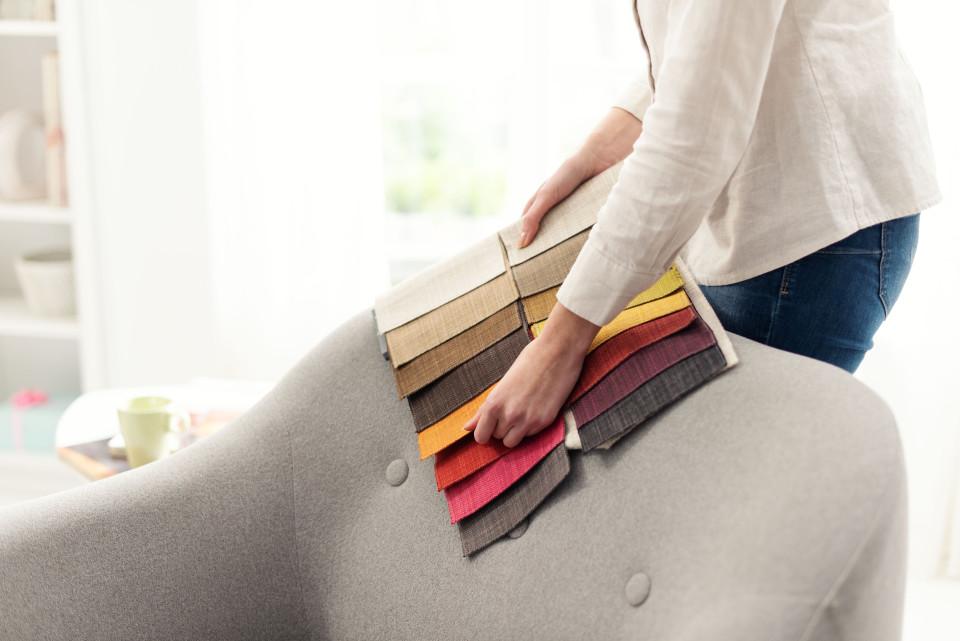
Here are 5 keys so you're perfectly clear on the shape and properties you can give your project.
Use simple, uncluttered basic materials; we know less is more, and we want a place that gives us well-being and is practical.
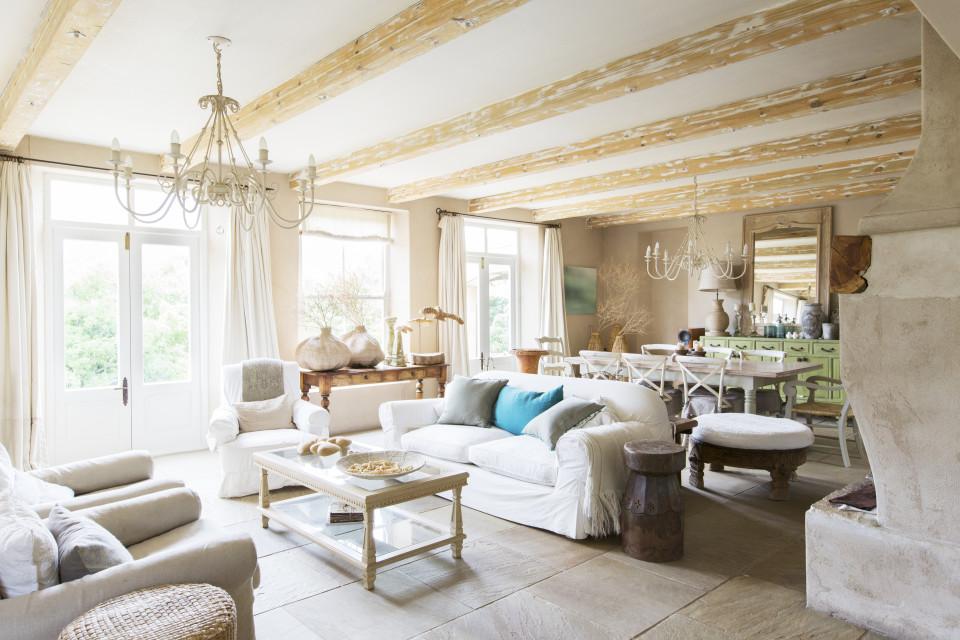
Wall colors should be light to create a sense of spaciousness; you can use whites, beige, grays or any pastel shade, but try to use at least 2 colors to give shape to your space.
Lighting is vital, since it creates a feeling of warmth, and you can add mirrors in strategic places so that together both elements create a sense of spaciousness.
Furniture should be delicate, uncluttered and in light or neutral colors. Feel free to use functional furniture such as a sofa bed or folding or extendable tables. If you use wood, try to choose light woods such as pine, eucalyptus or light oak.
Add touches of nature; plants play a very important role in decor because they bring freshness. Indoor plants also help purify the air, removing harmful agents from spaces, such as the pollutants in paint.
How to divide small spaces without using walls
Without spending much money we can achieve our goal with simple measures, finding multifunctional options that provide privacy when dividing a space.
In specialty stores we can find several options for adding dividers that will give our home a unique makeover. In this list you'll find different options that fit perfectly with what you're looking for.
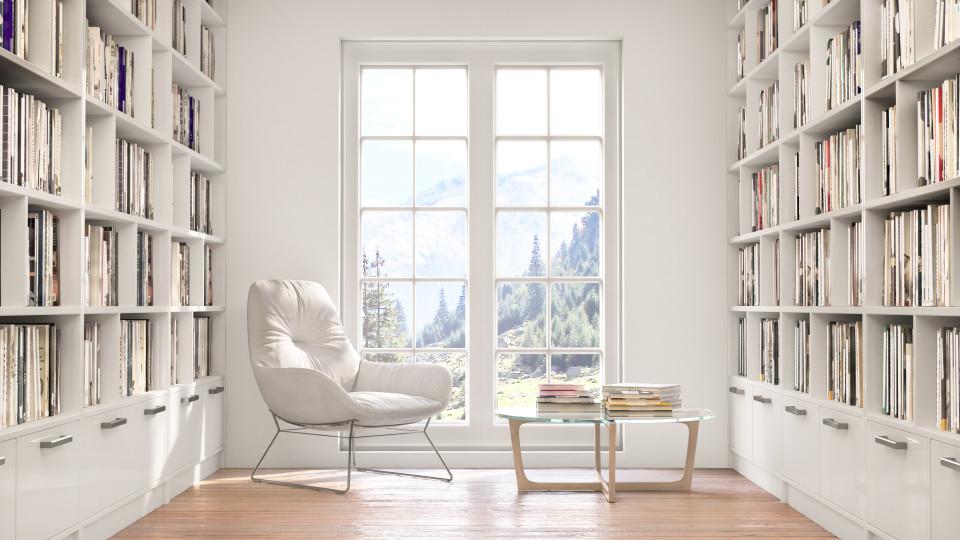
Vertical furniture or shelving
Shelves define spaces and give us more decorating options; they need little maintenance and are very sturdy, especially if you choose iron or wood. Can you imagine having your own reading nook?
Wooden blinds
Thanks to their aesthetic and functional finish, they're often found at the entrance to certain areas of very glamorous homes, since they're used as eye-catching room dividers that let natural light into the area they define.
Although the most common are wooden, they also come in bamboo, metal and PVC, and they need little maintenance.
Plants
Plants are great allies of interior decor and excellent for dividing spaces, especially if they're tall and leafy. This type of natural divider looks lovely in any space and is easy to take to the next level when combined with gold, geometric or handmade pots and stands.
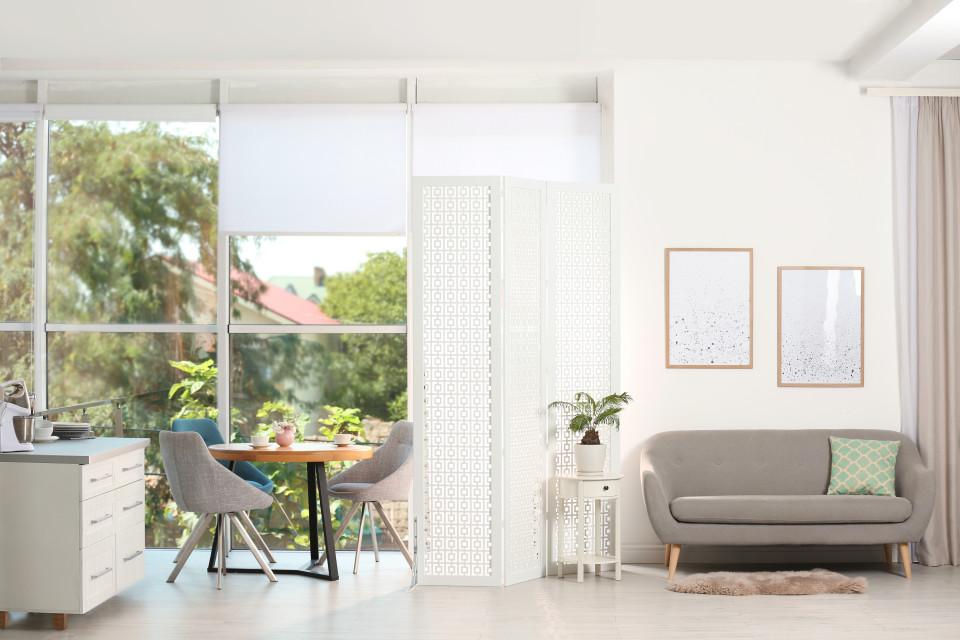
Folding screens
This room divider is a very practical element; besides dividing spaces, it decorates with its unique style thanks to the versatile designs on each panel, featuring landscapes, calligraphy and everything related to Eastern culture. Others come in a wide variety of colors and textures, ideal for creating warm, romantic atmospheres and playing with the light in each space.
Make the most of your home's walls
Spaces are getting smaller and decorating our small walls becomes a challenge, but we'll always feel the need to give them a loving touch with our own stamp; just follow these tips to achieve it:
Use light, cool colors such as blue and green to create the sense of a much larger space.
Don't use busy wallpapers; remember we're aiming for a sense of spaciousness and brightness.
A little trick for a different perspective is horizontal stripes, which give that spacious effect while letting you play with colors.
Use paintings with soft lines and medium-thick frames, and choose 2 to 3 pieces with the same color palette.
Remember to be flexible when breathing new life into spaces, and open yourself to all the possibilities that new trends and nature offer.